



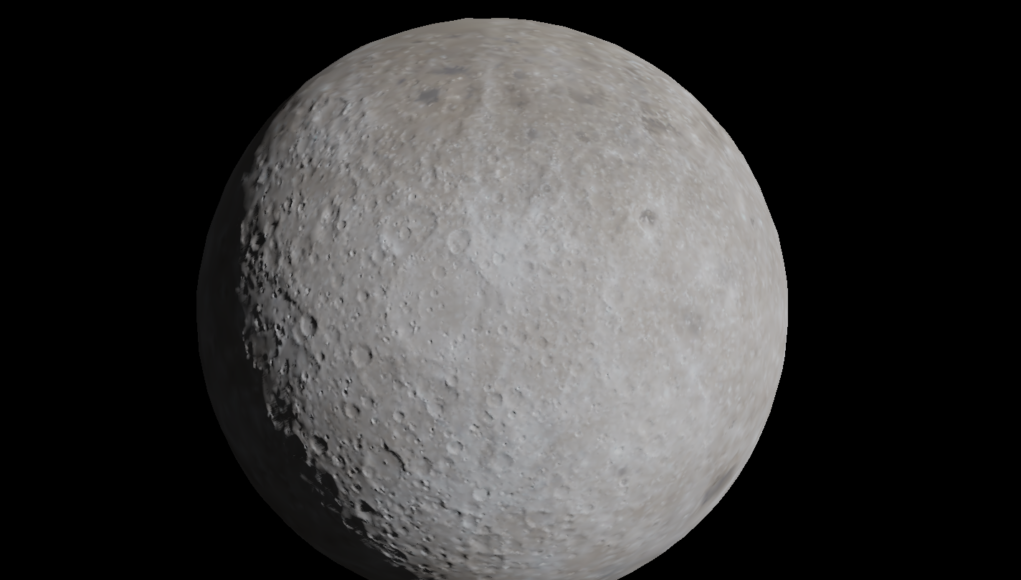
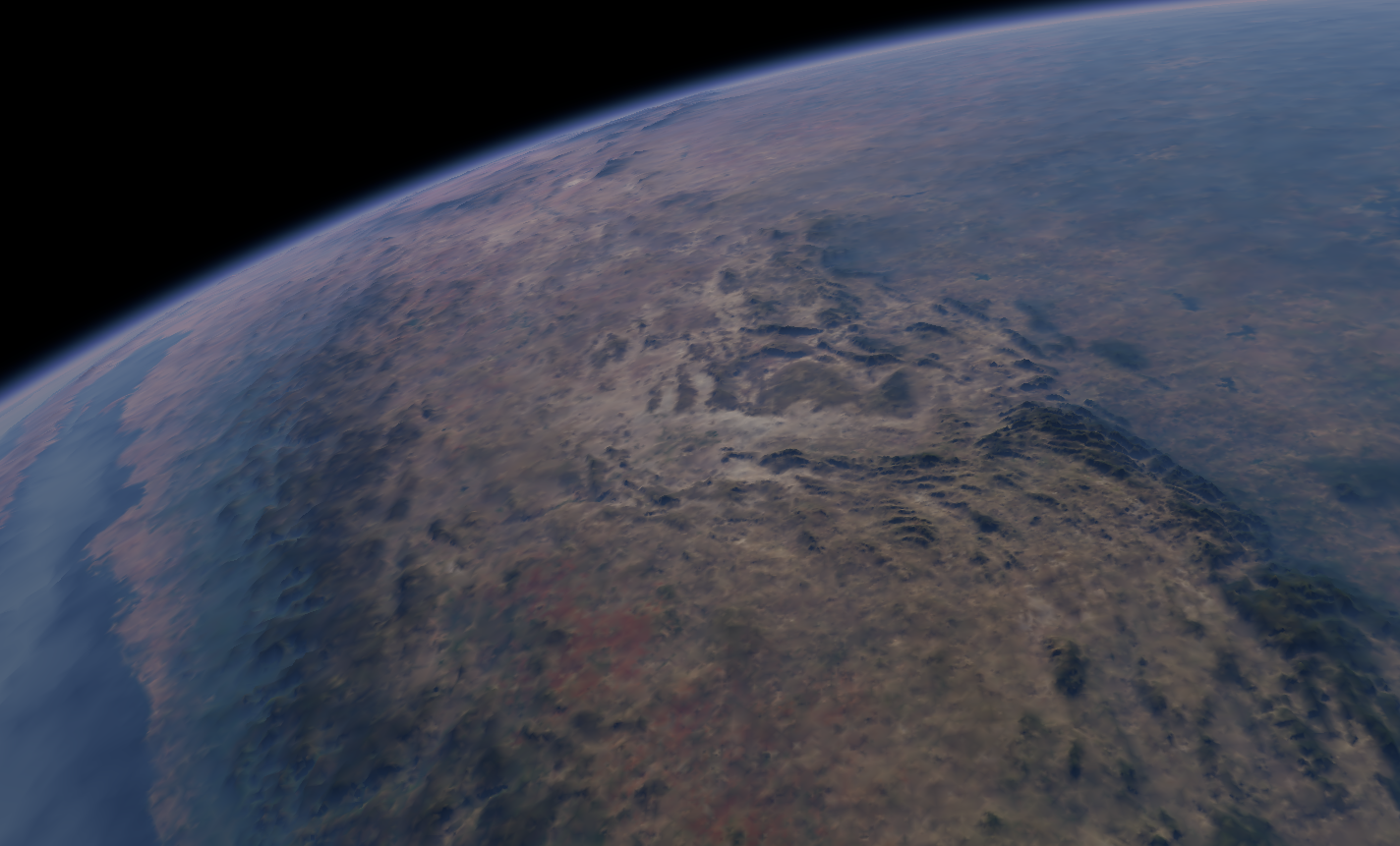
BiteTheBytes has recently announced World Creator 4 on its Discord server. The new version introduces a new naming system, moving away from the previous 2026.4 version numbering. The release, planned for November, introduces planetary terrain generation, a Cloddy-based architecture, a node-based terrain authoring environment, support for Windows and macOS, and more.
A New Architecture for Terrain Creation
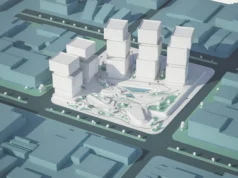
BiteTheBytes is working on some major changes to the software’s architecture. The aim is not simply to add new features, but to build an entirely new infrastructure capable of handling procedural terrains, geospatial data and, potentially, entire planets.
The new system uses Cloddy SDK and a GPU-driven pipeline. Cloddy SDK was originally developed for applications such as navigation systems and flight simulators. BiteTheBytes introduced this technology around 2007–2008. It uses Continuous Level of Detail (CLOD). Its aim is to manage huge environments by adapting the geometric detail to the complexity of the terrain and the scale at which it is observed. This allows users to explore enormous landscapes without having to represent the entire environment at the same level of detail.
Traditional heightmap-based terrain uses a grid of elevation values to define the surface. The new approach differs from this method. Heightmaps remain widely used in modern terrain-generation software and can also support level-of-detail systems, but managing entire planets at high resolution presents significant challenges. CLOD adapts geometric density to the area being viewed. It provides more detail where needed and less in the distance. This allows the system to manage different levels of detail without requiring the entire planet to be represented at maximum resolution.
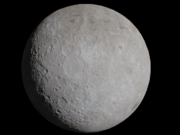
Using a Cloddy SDK architecture with a GPU-driven terrain-generation pipeline represents a major change in direction, especially when considering the possibility of building entire planets. This adaptive representation suits planetary terrain generation. Users can move from a view of the entire planet to detailed surface exploration while maintaining a coherent environment.
Layers and Nodes: A New Procedural Workflow
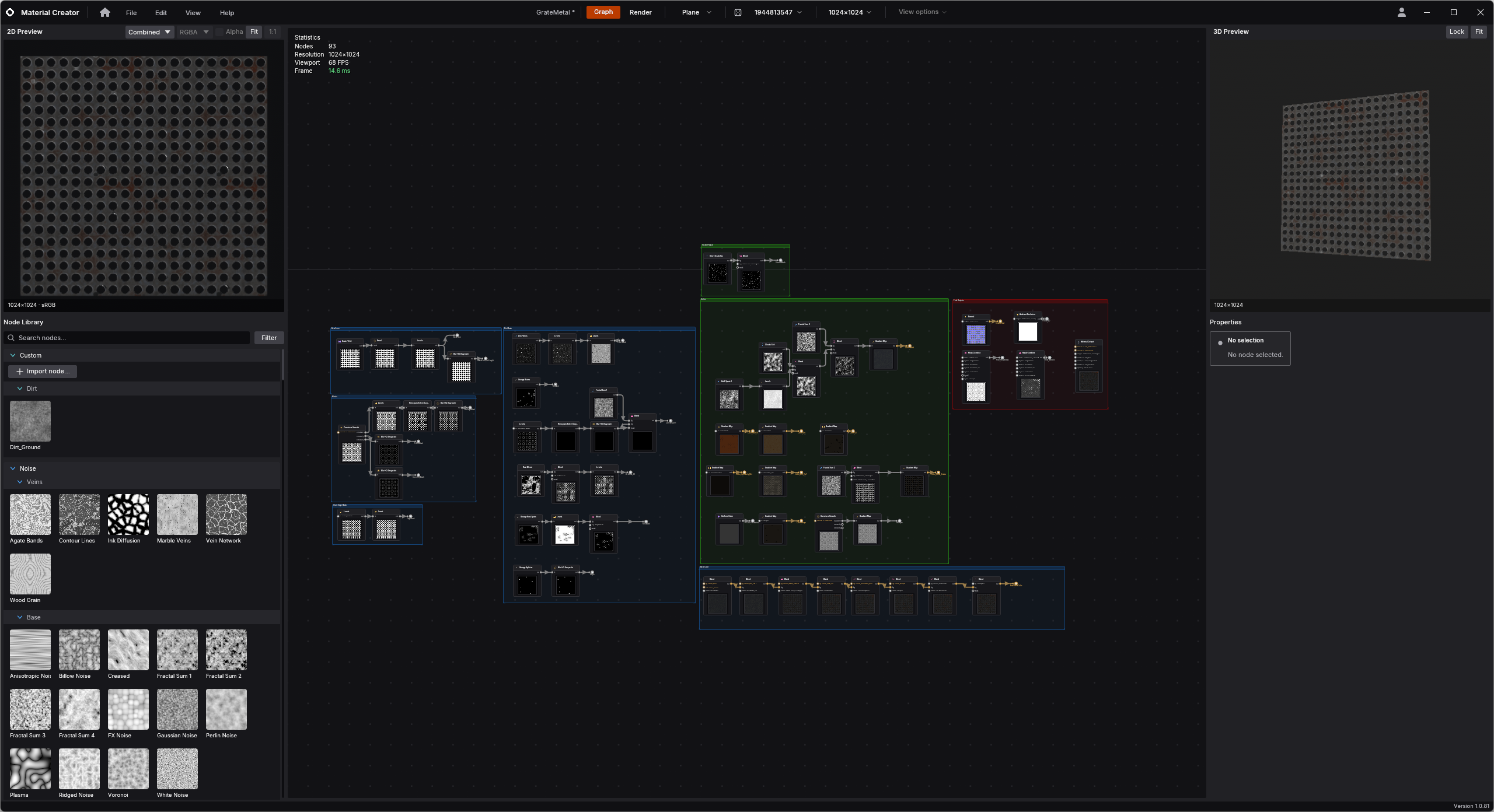
World Creator 4 complements the traditional layer-based workflow with a new node-based one. This is a significant change, as the two approaches cater to different needs. At this stage, we do not know how extensive the node-based system will be or which operations will be available through layers or nodes.
BiteTheBytes has also announced support for more than 110 noise types, alongside new erosion models and tools for working with water and sand. Procedural noise applied to a terrain can introduce variations in its shape and create irregularities and surface details. Its usefulness depends on the scale at which the artist is working. The new erosion models add another layer of control over the procedural formation of the landscape. Vegetation and other objects can also be placed individually or distributed procedurally across larger areas.
These additions are not only about creating more detail, but also about controlling how that detail interacts with the terrain. BiteTheBytes is aiming to provide a workflow that combines procedural generation with the artist’s ability to adjust and refine the result.
A New Real-Time Renderer and Production Tools
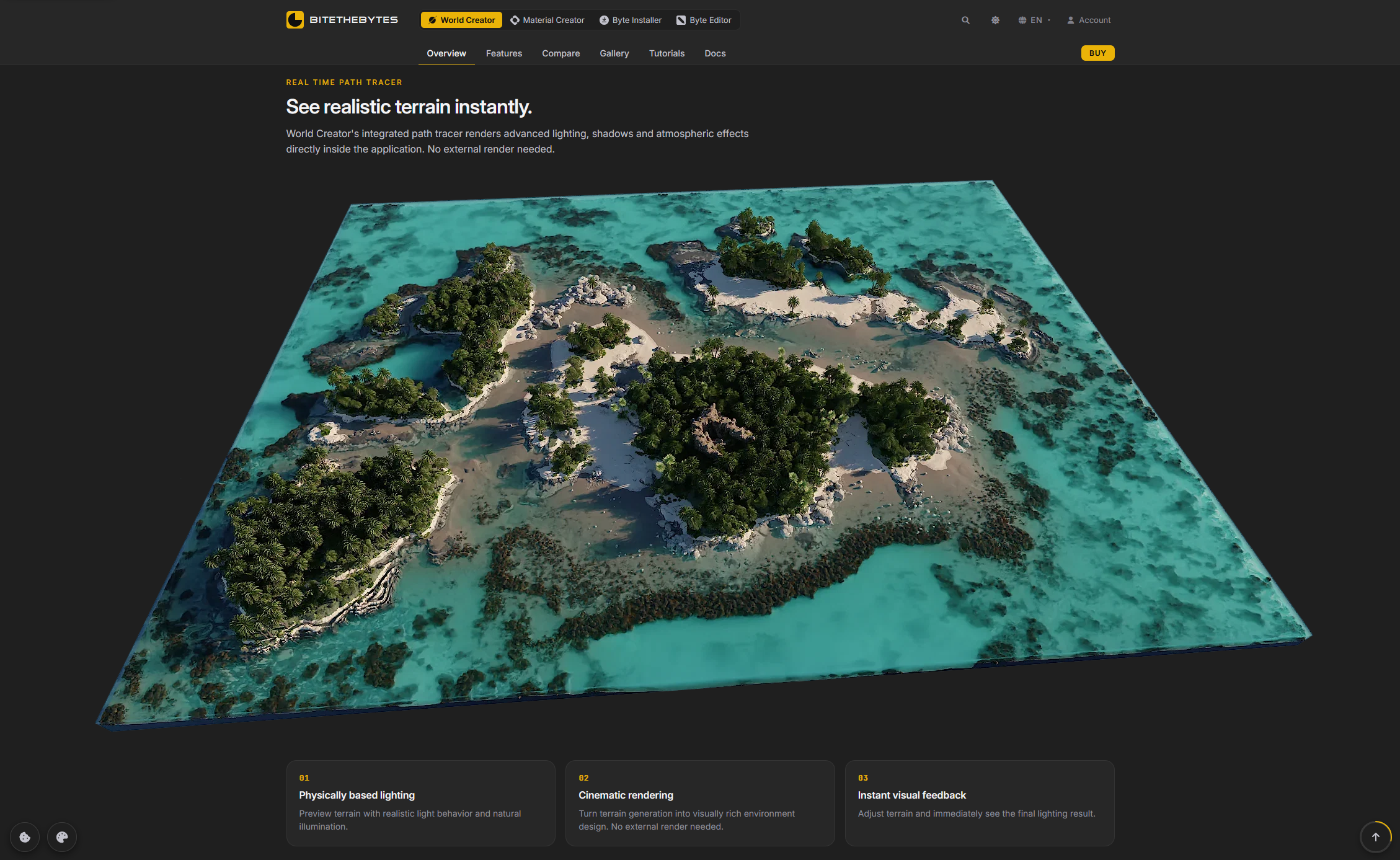
Another important addition to World Creator 4 will be the new renderer, introducing a polygon-based rendering approach alongside the existing path-tracing renderer.
The new renderer will include features such as HDRI lighting, multiple light sources, vegetation translucency, material controls, autofocus, depth of field and bloom. The new renderer will also support hardware ray tracing on compatible Windows GPUs. BiteTheBytes also plans to bring DLSS 4.5 to both rendering modes on supported NVIDIA RTX hardware..
This renderer is primarily intended to help artists evaluate their work directly within World Creator, without having to transfer the terrain to another application just to preview its appearance. It provides tools for assessing the interaction between terrain, materials, vegetation and lighting. Artists can then use the generated terrain and its associated data in a more complex production workflow. They can add further shading, lighting and rendering in Unreal Engine, Unity or other software.
MCP
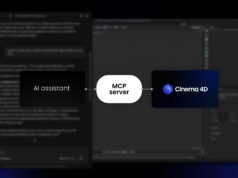
As part of World Creator 4, BiteTheBytes will introduce AI integration through MCP (Model Context Protocol), a technology that we have covered in several recent articles and that has become a major topic for software developers in 2026.
As far as we know, the MCP integration with World Creator could allow an AI assistant to access supported software functions, use contextual information and help users perform tasks through natural-language instructions. MCP is not a generative AI technology itself, but a protocol that provides a standardized connection between AI applications and external tools. The software and the tools it exposes determine which actions are actually possible.
This addition could open the door to a more flexible workflow, combining AI-assisted operations with procedural terrain generation while leaving artists in control of the finer details through manual adjustments and sculpting tools.
The Future of Terrain Workflows
Combined with the software’s expanded procedural systems and planned batch-processing capabilities, MCP points towards a more conversational approach to terrain creation. It could make complex workflows easier to navigate and help automate selected operations, while allowing artists to evaluate and refine the final result.
However, the extent of this integration remains to be demonstrated. MCP should be seen as a connection between AI models and software tools rather than a terrain-generation technology in itself. More broadly, World Creator 4’s new architecture and procedural tools suggest an effort to make the creation of large-scale landscapes more flexible, from shaping the terrain to managing environmental details. How effectively these elements work together will become clearer as the software approaches release.
To find out more about the software, visit World Creator Official Site.
– article by Giorgio D’Ambrogio