




During the Unite Seoul conference held on July 21, Unity Technologies officially revealed the roadmap for Unity 7, the next major generation of its game engine. The upcoming version focuses on performance improvements, new technologies and a more connected development ecosystem, while maintaining continuity with existing workflows. The company plans to introduce architectural improvements and new features while reducing the need for major migrations for developers. The first beta release is expected in December 2026, followed by the official launch planned for the first quarter of 2027.
The Announcement
The announcement of Unity 7 comes after a period of significant changes for Unity Technologies. Following controversial decisions and a shift in company leadership, the new roadmap focuses on rebuilding confidence among developers while improving the overall engine experience.
According to Unity CEO Matthew Bromberg, the future of game development is not only about large production teams, but about empowering creators with accessible and flexible technologies. This approach reflects Unity’s traditional philosophy of giving developers the freedom to build different types of interactive experiences.
During the conference, Unity presented five main pillars that define the future direction of the platform.

The New Features
Performance and Interoperability
One of the main improvements introduced with Unity 7 concerns the modernization of the engine core through CoreCLR. This new architecture aims to improve performance with features such as faster Play Mode startup times and domain reloads limited only to modified code. Unity also announced significant improvements in shader compilation times, although official benchmarks will be required to evaluate the real-world impact.
Unity 7 will also introduce improved command-line interfaces (CLI) and public APIs. These tools will allow artists, technical developers and production teams to interact with the engine through external workflows. This approach could significantly improve interoperability inside complex pipelines by allowing users to automate tasks, modify scenes and manage builds without always relying on the Unity Editor interface.
Surface Cache GI and Backward Compatibility
Unity 7 will introduce Surface Cache Global Illumination, a new real-time global illumination solution designed to scale across different hardware configurations. The technology aims to provide high-quality lighting while maintaining performance across devices, from high-end PCs to mobile platforms. It will also work alongside modern rendering technologies such as NVIDIA DLSS, AMD FidelityFX Super Resolution and PlayStation Spectral Super Resolution.
One of the most important announcements, however, concerns backward compatibility. Instead of forcing developers to migrate their projects to a completely new architecture, Unity decided to maintain compatibility with existing code and workflows.
This decision addresses one of the biggest concerns of long-term users, allowing studios to continue developing existing projects without a complete rewrite.

Artificial Intelligence and MCP Integration
Artificial intelligence represents another important pillar of Unity 7.
The company announced new AI-powered tools, including Unity Vector, an AI platform focused on advertising solutions, together with native tools for direct-to-consumer in-app purchases and no-code web stores.
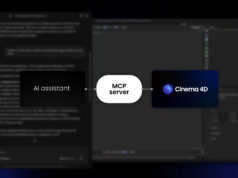
Unity is also expanding its integration with the Model Context Protocol (MCP), an open standard that allows AI agents to interact with the engine, editor and code.
The goal is not to replace developers, but to reduce repetitive tasks and improve productivity across different workflows. This could help both independent creators and larger teams accelerate development processes.

A New Direction
Unity 7 represents a significant strategic change for the company. Instead of introducing a completely new engine architecture, Unity is focusing on continuity, interoperability and improved workflows. The decision to preserve compatibility while introducing new technologies shows a clear attempt to rebuild trust with its developer community.
With features such as CoreCLR modernization, Surface Cache GI and AI-assisted workflows, Unity 7 aims to create a more flexible and future-proof ecosystem while maintaining one of the platform’s historical strengths: accessibility.
To find out more, visit the Unity official site.
– article by Giorgio D’Ambrogio